

Indications for PRP Therapy
Platelet-Rich Plasma (PRP) therapy is an advanced treatment designed to promote healing in injured joints, muscles, ligaments, and tendons. It is especially beneficial for athletes and active individuals aiming for a swift return to their sport or activity. PRP can also be an alternative for those looking to avoid surgery or enhance their healing post-surgery.
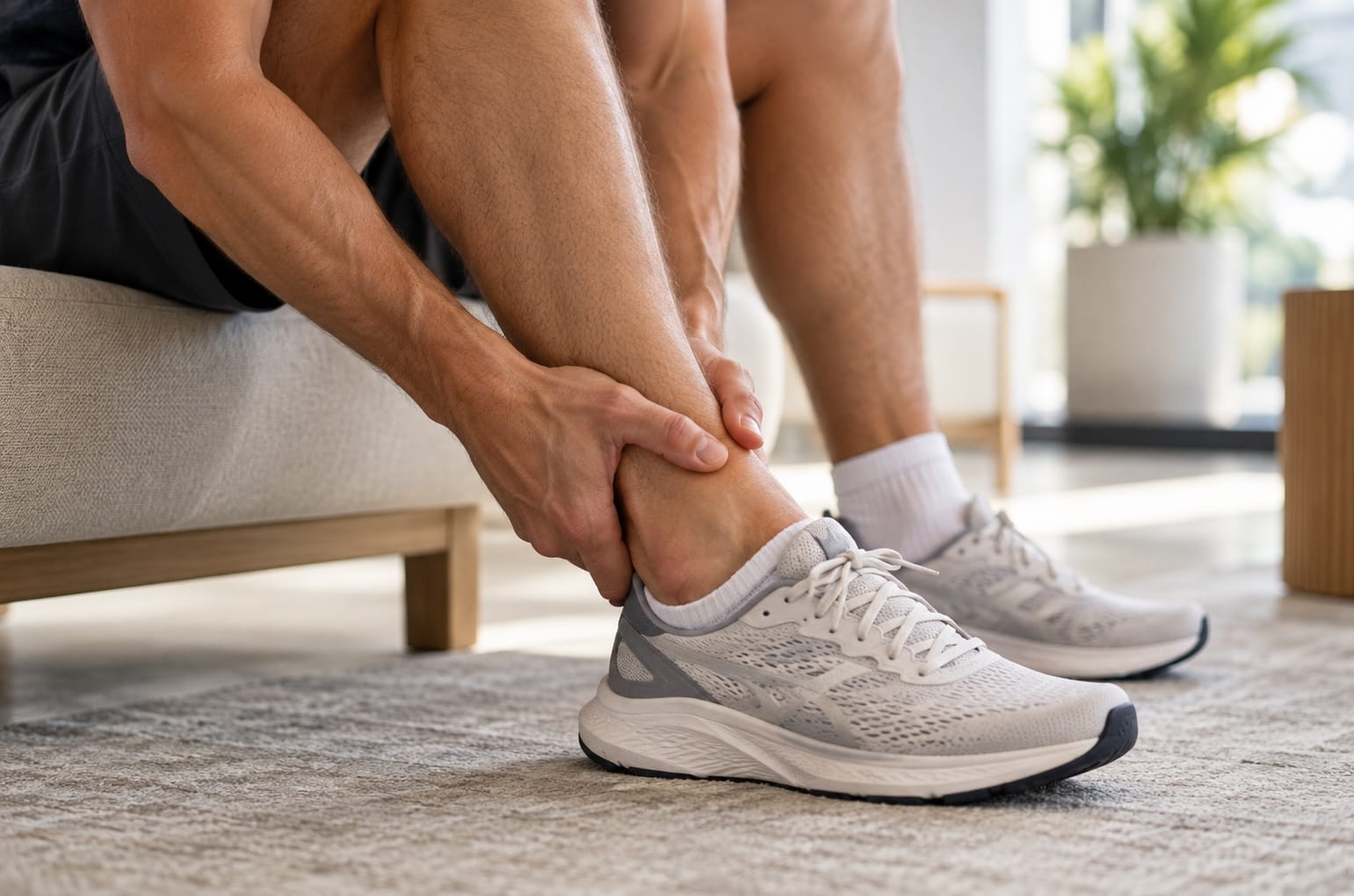
Conditions Treated with PRP
PRP injections are indicated for various conditions, including:
Specific diagnoses frequently treated with PRP include:
- Chronic tendon injuries or tendonitis
- Gluteal tendonitis
- Trochanteric bursitis
- Achilles tendonitis
- Tennis elbow
- Patellar tendonitis
- Ligament and muscle injuries
- Hamstring muscles
- Knee sprains
- Hip injuries
- Osteoarthritis of the hip, knee, and shoulder
PRP can also enhance healing after certain types of surgeries, such as tendon repair.


The Platelet-Rich
Plasma Procedure
PRP is a concentrated form of blood platelets. Here’s how the process works:
- Blood Draw: Your blood is drawn, similar to any routine blood draw, in our clinic office.
- Centrifugation: The blood is spun at high speed in a specialized centrifuge, separating the platelets and plasma from the blood cells. This results in a concentrated “platelet-rich plasma,” which has 12 to 18 times the concentration of growth factors and healing properties.
- Injection: The PRP is injected into the damaged or diseased tissue. The injection site is cleansed, and the procedure is guided by ultrasound to ensure accuracy.
At the damage site, PRP releases growth factors that promote healing by stimulating the multiplication of reparative cells.
Post-Procedure Care
PRP injections are outpatient procedures, allowing you to return home immediately afterward. Post-treatment, you might experience mild irritation and pain for 24-48 hours. Rest and cold application to the injection site are usually sufficient to alleviate these symptoms.
PRP Risks and Complications
PRP injections are generally safe and non-invasive, with minimal risk since the blood is drawn from your own body.
However, potential complications include:
- Increased pain at the injection site
- Infection
- Tissue damage
- Injury to neighboring nerves
Choosing a skilled medical provider can significantly reduce these risks.

INSIGHTS & EDUCATION
Articles from Dr. Shore

Gluteus Medius and Minimus Tears
Tears in the Gluteus Medius and Minimus Lateral hip discomfort is commonly caused by tears in the gluteus medius and minimus, especially in middle-aged people. These tears may come from a long-term deterioration of the [...]
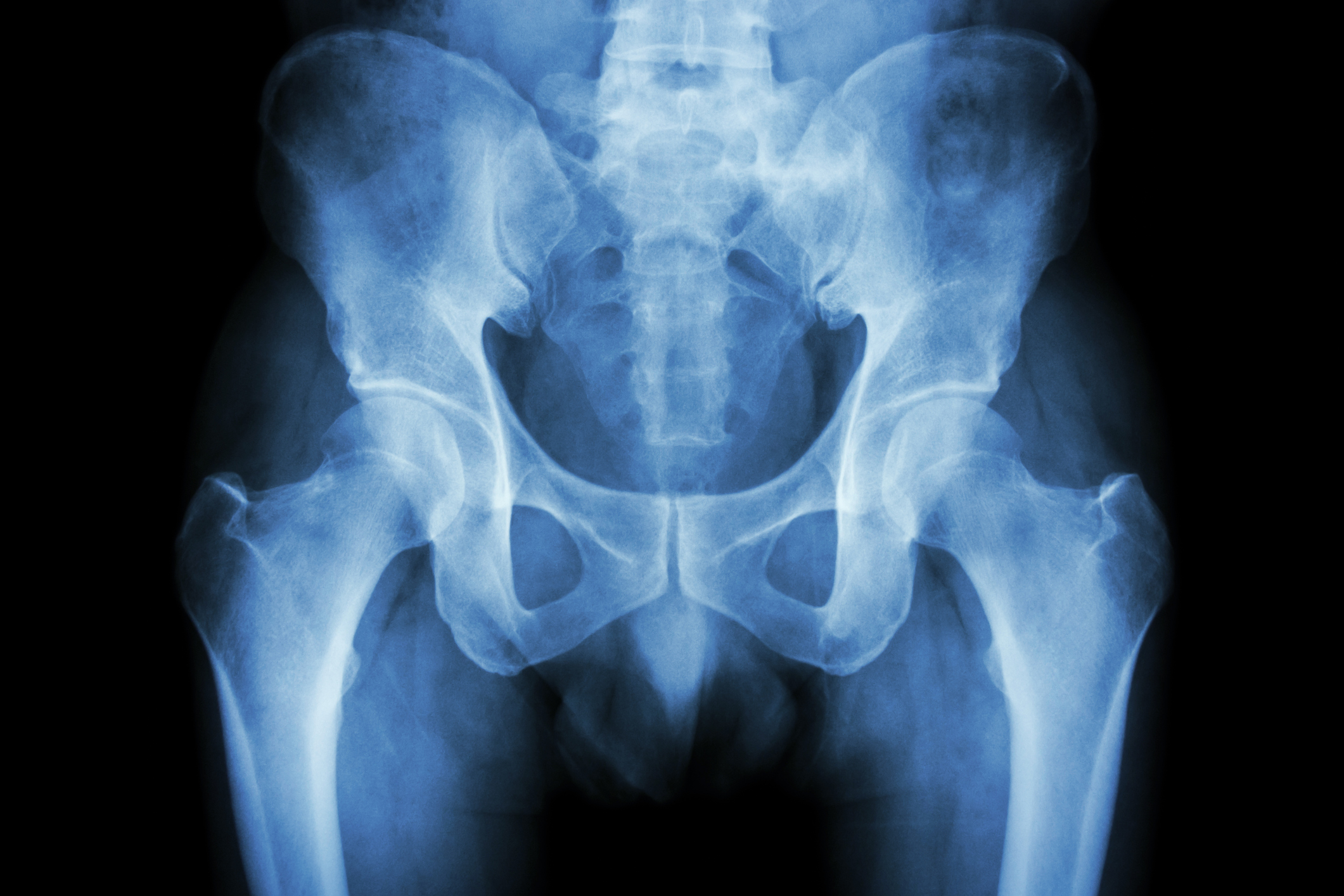
Avascular Necrosis of the Hip
Avascular necrosis (AVN) of the hip, also known as osteonecrosis, is a condition characterized by the death of bone tissue due to a lack of blood supply. Although it can damage any bone, hip [...]

Anterior Total Hip Replacement
Anterior total hip replacement, sometimes called direct anterior approach to hip replacement or anterior hip arthroplasty, is a surgical technique that involves making an anterior (front) incision on the hip to replace a damaged [...]
PATIENT EXPERIENCES
Hear From Our Patients
VISIT US
Our Locations



GET STARTED
Schedule Your Visit
with Dr. Brett Shore
Hip pain can limit your activity and affect your daily life. Dr. Shore can help you understand your options and start recovery.