A Comprehensive Approach to Outer Hip Pain
Greater trochanteric pain syndrome, or GTPS, is a common cause of pain along the outside of the hip. It can involve irritation of the gluteal tendons, inflammation around the greater trochanter, or a combination of both.
Dr. Brett Shore evaluates the underlying source of symptoms rather than treating lateral hip pain as a single condition. Treatment is tailored to the diagnosis, severity of symptoms, activity level, and long-term goals.

What Is Greater Trochanteric
Pain Syndrome?
GTPS covers two tissue problems near the greater trochanter, the bony knob on the side of your hip.
One is gluteal tendinopathy, or wear in the hip tendons. The other is trochanteric bursitis, inflammation of the fluid sac that cushions those tendons.
Women between 40 and 60 make up the largest patient group. Runners, cyclists, and hikers also develop GTPS from repeated hip loading.
When to Consult Dr. Shore About Your Outer Hip Pain
These signs warrant an evaluation:

Pain that prevents lying on that side at night

Tenderness right over the bony knob of the hip

Aching that travels down the side of the thigh

Sharp discomfort climbing stairs or standing from a low chair

Soreness after a walk of 15 minutes or longer

Symptoms lasting more than six weeks despite rest and ice
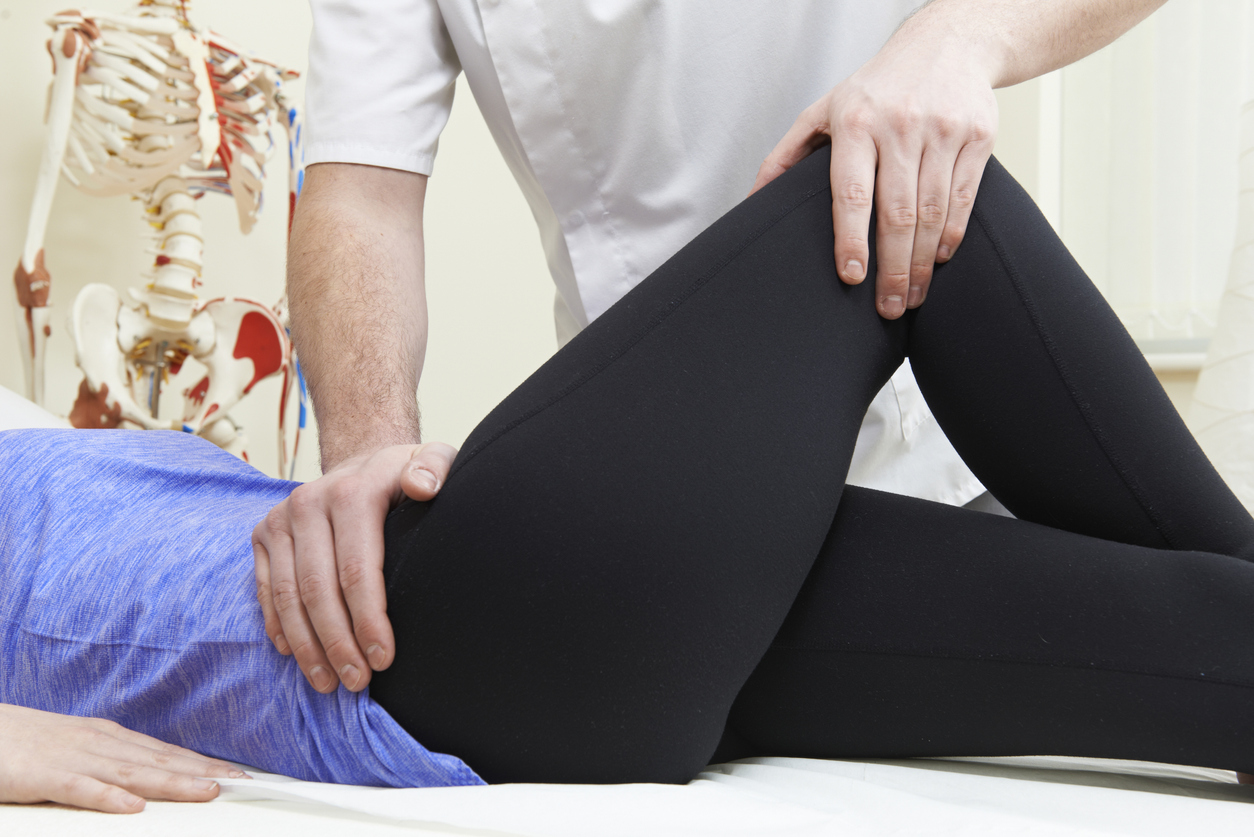
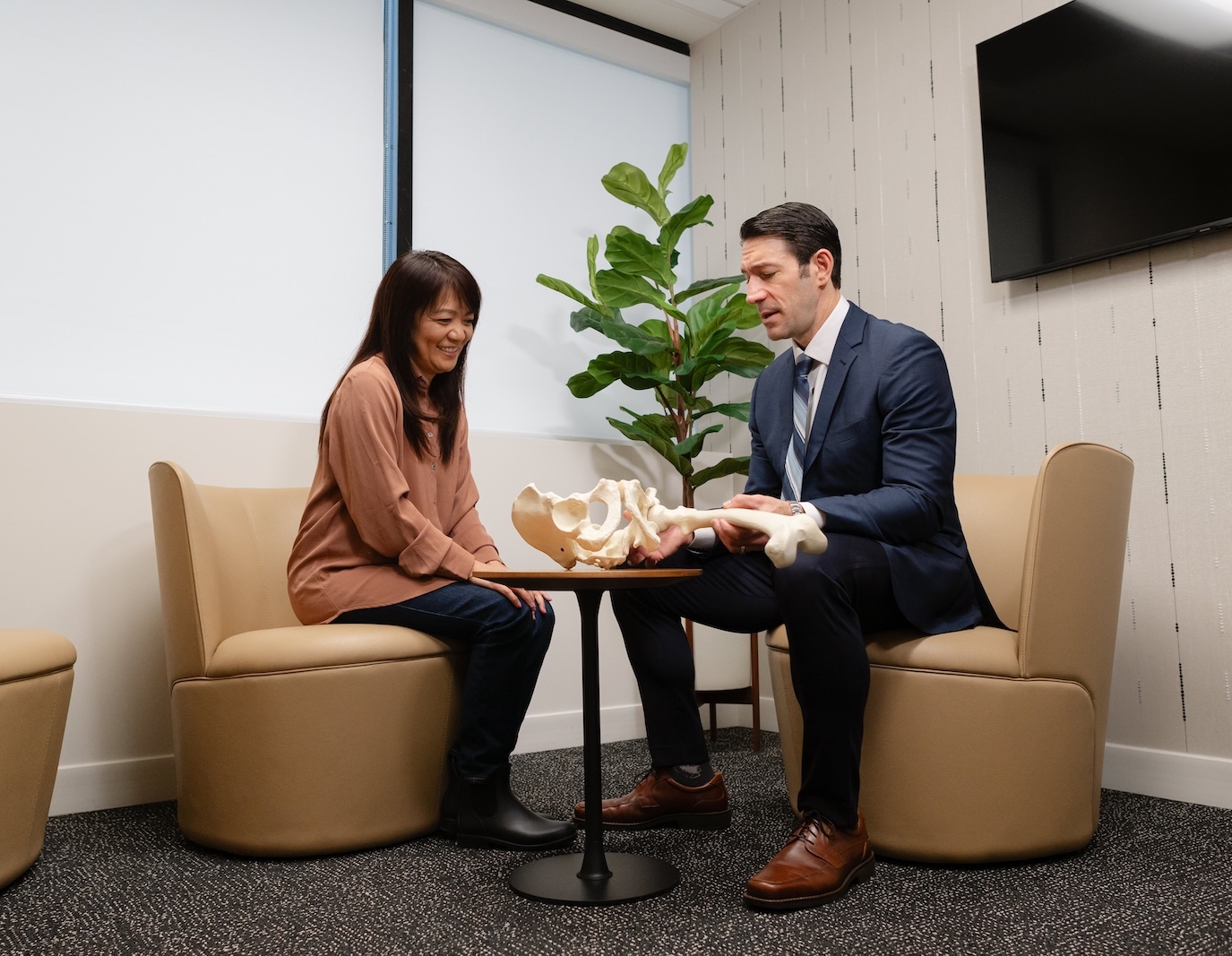
Your visit pairs a hands-on exam with an imaging review. Dr. Shore walks you through every option afterward.
How Dr. Shore Treats GTPS
Treatment starts with what your tendons can handle. Therapy, injections, or surgery follow in that order as needed.

What Causes Greater Trochanteric Pain Syndrome?
Common causes of outer hip pain include:

Repeated hip motion from running, cycling, or daily walks

Sudden jumps in training volume or hill work

Weak gluteus medius muscles that fail to steady the pelvis

Hip mechanics thrown off by lower-back or knee problems

Hormonal changes during menopause that affect tendon quality

A fall or direct hit to the side of the hip
Most patients recall weeks or months of outer hip soreness before the pain became unbearable.

COMPREHENSIVE HIP EXPERTISE
Specialized Care for
Lateral Hip Pain
Dr. Brett Shore is a board-certified orthopedic surgeon specializing in comprehensive hip care, including conditions affecting the gluteal tendons and other structures around the outside of the hip.
Because GTPS can involve several different sources of pain, accurate diagnosis is an important part of treatment. Dr. Shore evaluates symptoms, strength, movement, imaging, and tendon health to determine what is actually driving the condition.
Treatment is individualized around the diagnosis, severity of symptoms, activity level, and long-term goals.
Benefits of Early GTPS Evaluation
Catching GTPS in its early weeks often spares you a longer recovery. With prompt evaluation, treatment can:
- Calms outer hip pain before it disrupts sleep
- Halts tendon wear before more fibers give way
- Restores walking comfort and stair tolerance
- Keeps bursal swelling from turning chronic
- Lowers the odds of needing surgery later
Chronic cases still respond well to targeted therapy and injection options. Surgical repair stays available when the gluteal tendons tear through.

Greater Trochanteric Pain Syndrome Treatment in Orange County
Orange County greater trochanteric pain syndrome treatment happens at Dr. Shore’s Newport Beach clinic. Each appointment pairs a hands-on hip exam with a detailed image review, followed by a walkthrough of options matched to your lifestyle.
INSIGHTS & EDUCATION
Articles from Dr. Shore

Getting Back to Life After Hip Replacement
For many patients considering hip replacement, the goal extends well beyond walking comfortably or completing everyday activities without pain. They want to return to the pursuits that are an important part of how they [...]
Hip Labral Tears
Hip Labral Tears: A Comprehensive Guide to Symptoms, Causes, and Treatments Understanding Hip Labral Tears Hip labral tears are a common yet complex condition affecting the hip joint, often leading to persistent pain and [...]
Seeking a Second Opinion
When facing complex sports injuries or considering major surgeries like joint replacement or arthroscopic surgery, seeking a second opinion can be crucial. Learn the benefits and steps involved in obtaining a second opinion to ensure the best care for your orthopedic needs. Discover why it matters.
PATIENT EXPERIENCES
Hear From Our Patients
VISIT US
Our Locations



GET STARTED
Schedule Your Visit
with Dr. Brett Shore
Hip pain can limit your activity and affect your daily life. Dr. Shore can help you understand your options and start recovery.