

A Comprehensive Approach to Hip Instability
Hip instability occurs when the structures that help keep the joint centered and supported are not providing enough stability during movement.
Dr. Brett Shore evaluates the capsule, labrum, joint anatomy, previous procedures, and movement patterns to determine what is contributing to instability. Treatment may range from targeted rehabilitation to arthroscopic capsular repair or reconstruction when appropriate.

What Is Hip Instability?
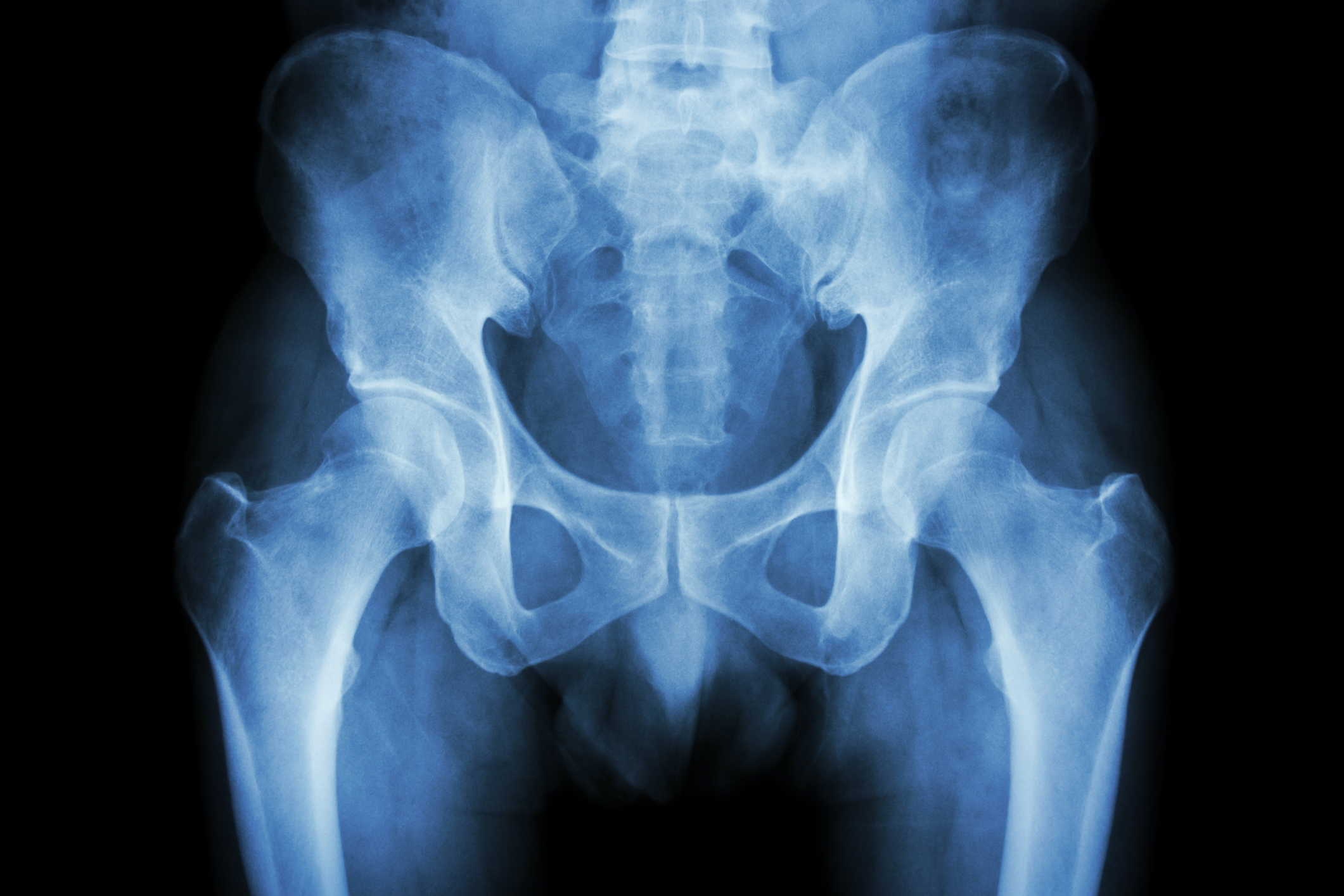
Picture the hip as a ball sitting inside a deep cup.
Ligaments, the labrum, the joint capsule, and surrounding tendons all hold that ball in place. When any of these structures tear or stretch, the joint shifts in ways it shouldn’t.
That’s hip instability.
It can feel like a sudden give-way underfoot. You might notice a deep click or catch mid-stride. Others feel a persistent ache in the groin that worsens with movement.
Without the right care, the joint keeps wearing, and cartilage breaks down over time.
When to See a Hip Instability Doctor
Don’t wait if you’re noticing any of these signs:


Clicking, catching, or locking inside the joint

Deep groin or hip pain that worsens with rotation or activity

Pain during sport that doesn’t settle with rest

A history of hip dislocation or partial dislocation

Symptoms that haven’t improved after weeks of rest or general physical therapy

Prior hip surgery that didn’t resolve the instability
How Dr. Shore Treats
Hip Instability
Hip Instability
Dr. Shore creates recovery plans based on what the imaging shows, what the exam confirms, and your personal goals and timeline.

What Causes Hip Instability?
Hip instability can start with a single injury or build slowly over time.
Traumatic causes:

Sports collisions, falls, or motor vehicle accidents

Acute hip dislocation or partial dislocation (subluxation)

Loose fragments forming inside the joint after trauma

Impact injuries that damage the labrum, cartilage, or bone
Atraumatic causes:
Hip dysplasia, where the socket is too shallow to hold the femoral head

FAI, where an abnormal bone shape wears the joint down over time

Ligamentum teres tears that reduce internal joint support

Prior hip arthroscopy where the capsule wasn’t fully repaired

Repetitive strain from high-volume sport without adequate recovery

HIP PRESERVATION EXPERTISE
Specialized Experience
in Hip Instability
Dr. Brett Shore is a board-certified orthopedic surgeon specializing in comprehensive hip care, including complex hip preservation and revision procedures.
His experience with capsular repair, labral treatment, and other joint-preserving techniques allows him to evaluate instability within the broader context of the hip rather than focusing on a single structure.
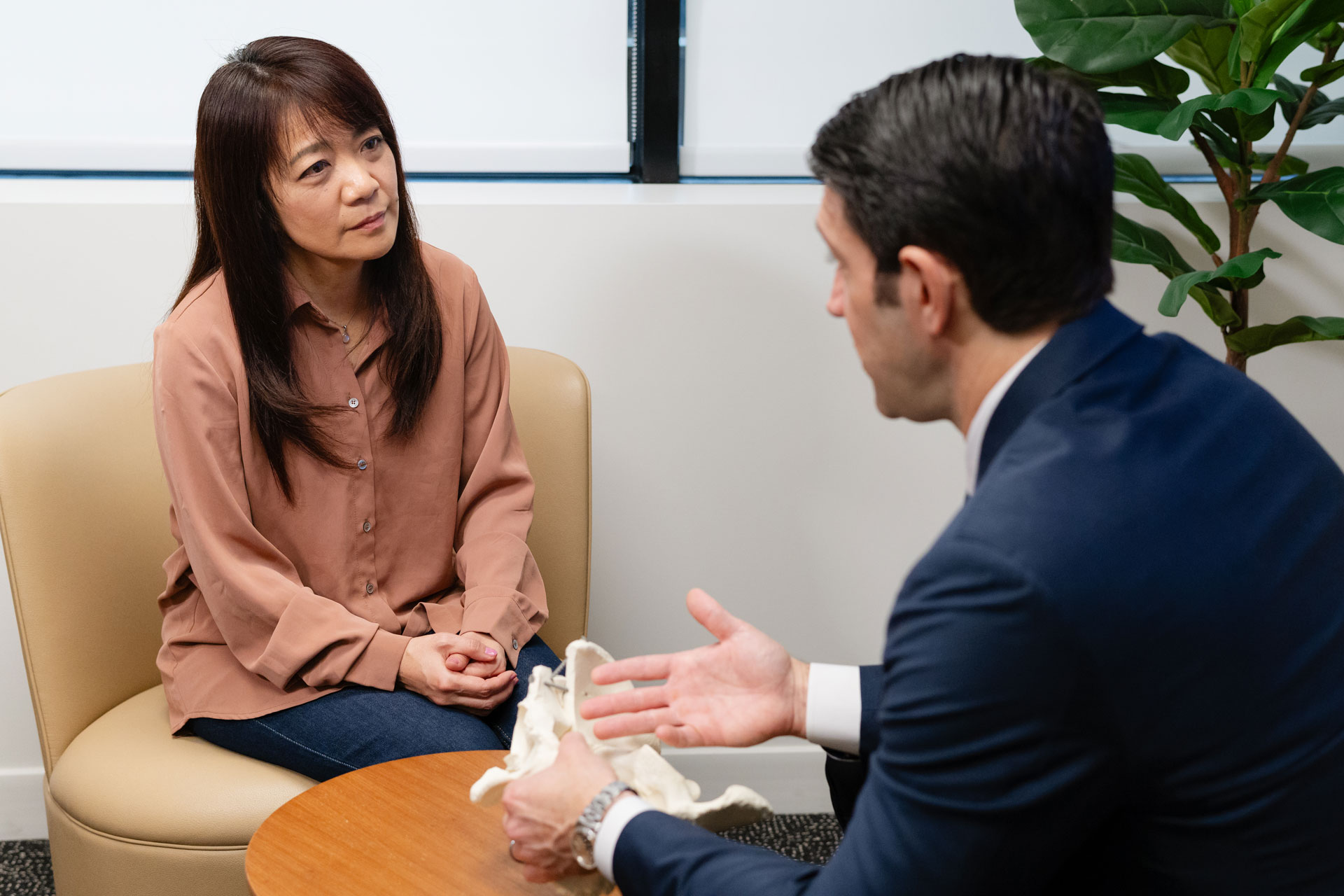
Dr. Shore reviews the patient’s anatomy, prior procedures, symptoms, imaging, and activity goals to determine whether rehabilitation, arthroscopic repair, or a more complex reconstruction is appropriate.
Don’t Wait Until the Hip Damage Gets Worse
Catching hip instability early almost always makes treatment simpler. Acting sooner can:
- Stop further labral and cartilage damage before it becomes permanent
- Keep less invasive options available
- Reduce total time in pain and away from activity
- Lower the risk of early hip arthritis
- Shorten the overall recovery after treatment
Long-standing symptoms are still worth evaluating. Dr. Shore regularly sees patients who’ve dealt with instability for months or years and still achieve strong outcomes.

INSIGHTS & EDUCATION
Articles from Dr. Shore

Gluteus Medius and Minimus Tears
Tears in the Gluteus Medius and Minimus Lateral hip discomfort is commonly caused by tears in the gluteus medius and minimus, especially in middle-aged people. These tears may come from a long-term deterioration of the [...]
Avascular Necrosis of the Hip
Avascular necrosis (AVN) of the hip, also known as osteonecrosis, is a condition characterized by the death of bone tissue due to a lack of blood supply. Although it can damage any bone, hip [...]
Anterior Total Hip Replacement
Anterior total hip replacement, sometimes called direct anterior approach to hip replacement or anterior hip arthroplasty, is a surgical technique that involves making an anterior (front) incision on the hip to replace a damaged [...]
PATIENT EXPERIENCES
Hear From Our Patients
VISIT US
Our Locations



GET STARTED
Schedule Your Visit
with Dr. Brett Shore
Hip pain can limit your activity and affect your daily life. Dr. Shore can help you understand your options and start recovery.