
A Joint-Preserving Option For Hip Dysplasia
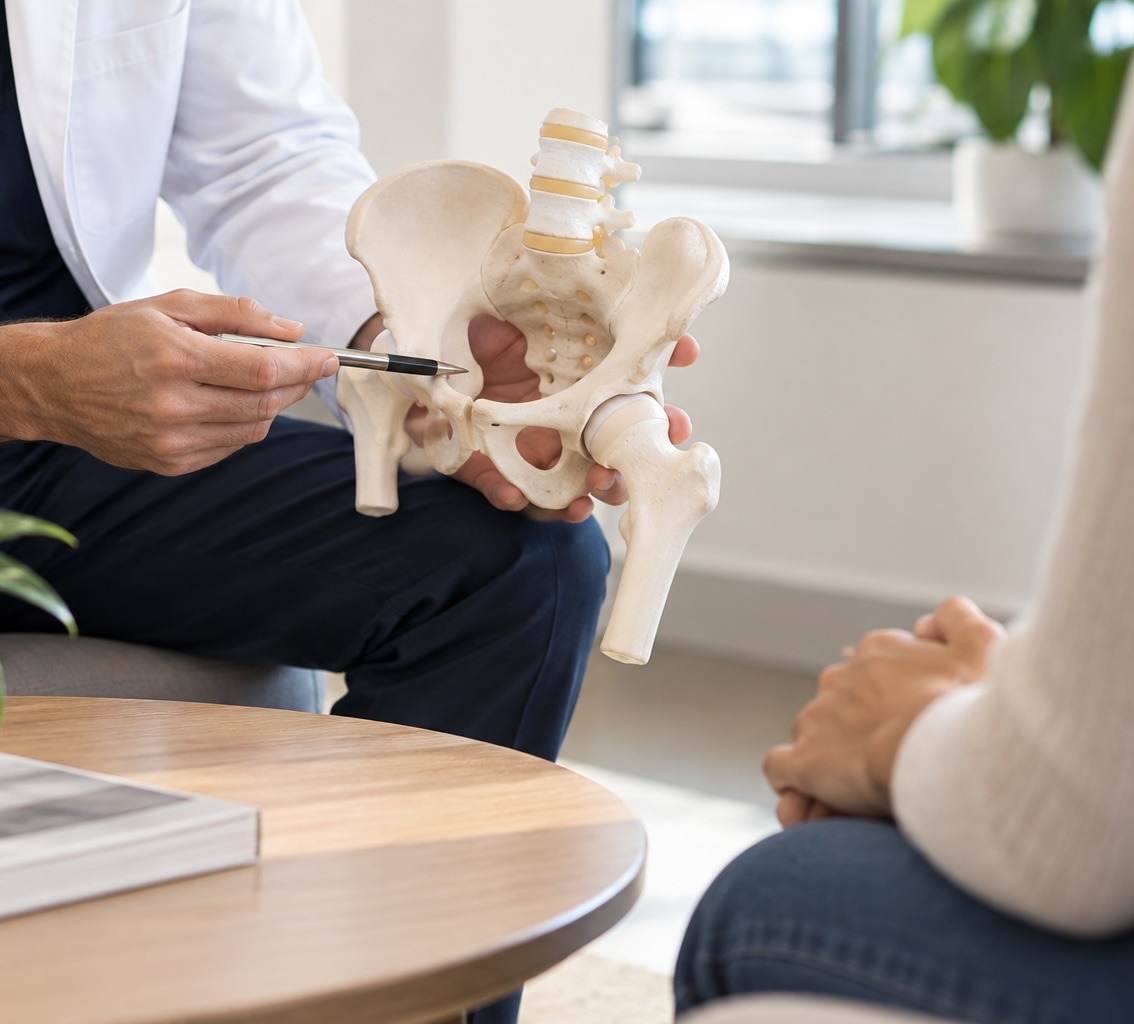
Periacetabular osteotomy (PAO) is a surgical procedure used to treat hip dysplasia, a condition in which the acetabulum, the cup-shaped portion of the pelvis that forms the hip socket, is misaligned or deformed.
When the hip socket is too shallow or improperly aligned, it may not provide adequate support and coverage for the femoral head. Over time, this can cause pain, restricted mobility, and excessive wear on the cartilage and labrum.
PAO is designed to correct this underlying structural problem by repositioning the acetabulum within the pelvis.
Benefits Of Periacetabular Osteotomy
Every PAO evaluation begins with understanding your symptoms, hip anatomy, activity level, and overall joint health to determine whether joint-preserving surgery may be appropriate.

Treats Hip Dysplasia
Designed to address misalignment or deformity of the acetabulum.

Improves Hip Coverage
Repositions the acetabulum to provide better coverage of the femoral head.

Preserves the Natural Hip
A joint-preserving approach designed to improve hip function while delaying the need for hip replacement.
Why PAO Is Used
For Hip Dysplasia
In patients with hip dysplasia, the acetabulum may be too shallow or improperly aligned, failing to provide adequate support and coverage for the femoral head, or the “ball” of the hip joint.
This misalignment can cause excessive wear on the cartilage and labrum, potentially leading to pain, restricted movement, and degeneration of the hip socket.
PAO addresses the underlying structure of the joint by repositioning the acetabulum within the pelvis, with the goal of restoring more normal hip joint anatomy.
Who May Be A
Candidate For PAO?
PAO is typically recommended for younger patients, generally under 40 years old, who have hip dysplasia but have not yet developed advanced damage to the joint surface cartilage.
For older patients, generally age 50 and above, with advanced osteoarthritis, total hip replacement may be a better option for alleviating pain and restoring mobility.
Determining the appropriate treatment requires careful evaluation of the hip and the individual factors that may affect treatment.

What Happens During
Periacetabular Osteotomy?
PAO is a complex procedure that requires careful preoperative planning to reposition the hip socket while protecting the surrounding structures.
Preoperative Planning
Planning includes a thorough physical examination, patient history, and imaging studies such as X-rays, MRI, and possibly three-dimensional CT scans.
Repositioning the Hip Socket
A series of cuts are made to the bone so the acetabulum can be repositioned within the pelvis to restore more normal hip joint anatomy.

Stabilizing the Acetabulum
Once repositioned, the acetabulum is stabilized with screws while new bone forms across the cut surfaces and secures it in its new position.
Protecting Surrounding Structures
The surgery is performed under X-ray guidance to help protect the surrounding nerves and muscles.
Recovery After Periacetabular Osteotomy
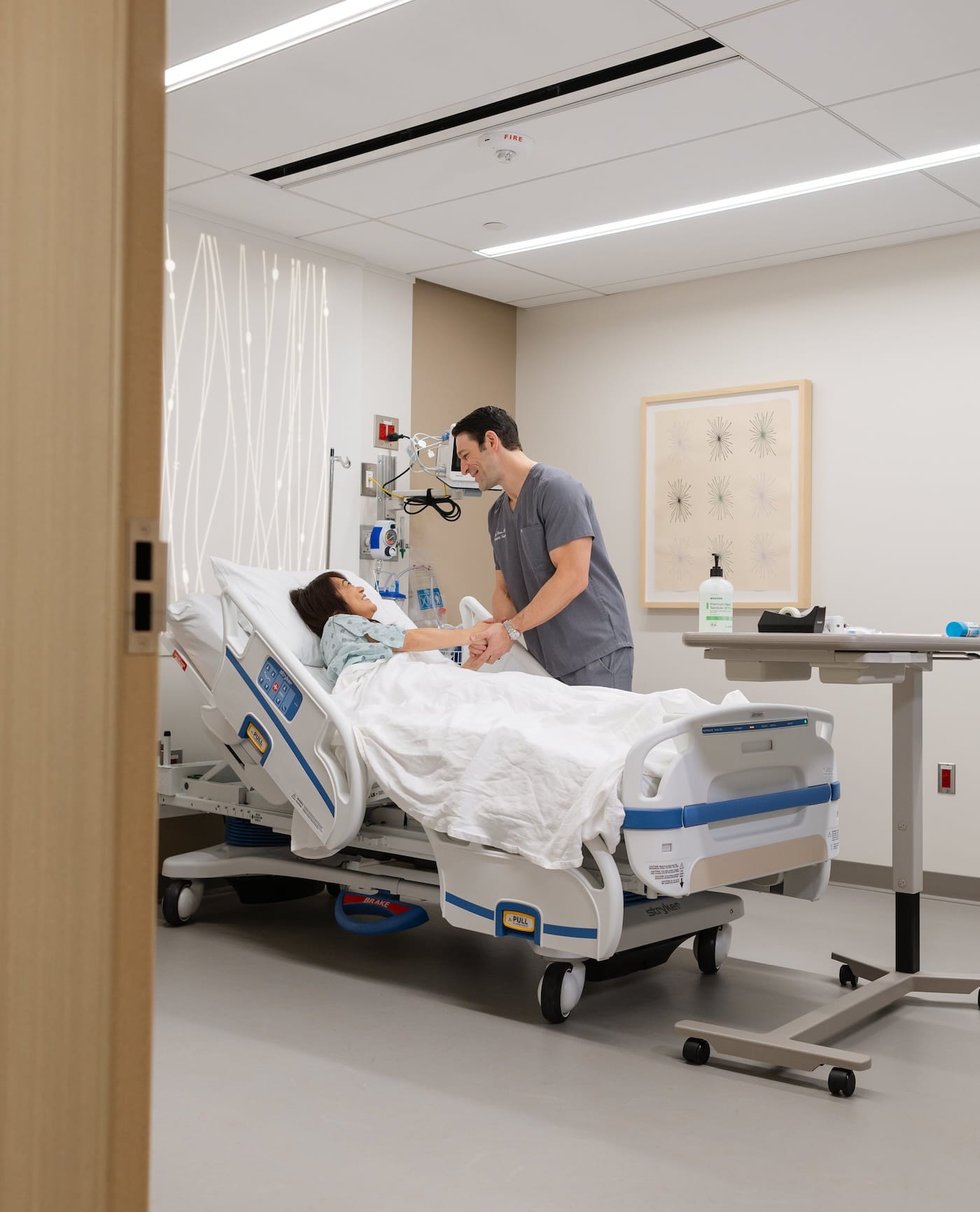
Recovery after PAO takes place gradually as the repositioned acetabulum heals in its new position.
2–4 Days — Hospital Recovery
Patients are usually hospitalized for approximately two to four days after surgery.
6–8 Weeks — Crutches + Protected Weight Bearing
Physical therapy and weight-bearing guidelines begin before discharge, with crutches typically used for six to eight weeks.
Around 3 Months — Return to School or Work
Most individuals can return to school or work after approximately three months.
6–12 Months — Return to Athletic Activity
If both hips are affected, surgeries are performed four to six months apart. Return to athletic activities may occur between six and twelve months.

COMPREHENSIVE HIP EXPERTISE
Advanced Expertise
in Hip Preservation
Dr. Brett Shore is a board-certified orthopedic surgeon specializing in comprehensive hip care, with expertise spanning hip preservation, arthroscopic surgery, and total hip replacement.
His background in complex hip preservation allows him to evaluate hip dysplasia within the broader context of the joint, including associated labral damage, cartilage health, alignment, and long-term function.
Dr. Shore’s approach is individualized to each patient’s anatomy, symptoms, activity level, and goals, with an emphasis on preserving the natural hip whenever appropriate.
INSIGHTS & EDUCATION
Articles from Dr. Shore

Hip Instability
Hip Instability: Unstable hip joint causes pain, clicking, and possible dislocation. Traumatic or atraumatic, from sports injuries to congenital issues. Diagnose with history, exam, and imaging. Treat with therapy or surgery like hip arthroscopy. Comprehensive care for improved mobility and quality of life.

Greater Trochanteric Pain Syndrome (GTPS)
Greater Trochanteric Pain Syndrome (GTPS): Hip pain at the femur's outer edge due to gluteal tendon degeneration. Common in women aged 40-60, worsened by weight-bearing. Diagnosis via symptoms, physical exam, and imaging. Treat with rest, NSAIDs, therapy, or injections. Surgery if conservative methods fail. Prevention through exercise and weight management.
Piriformis Syndrome
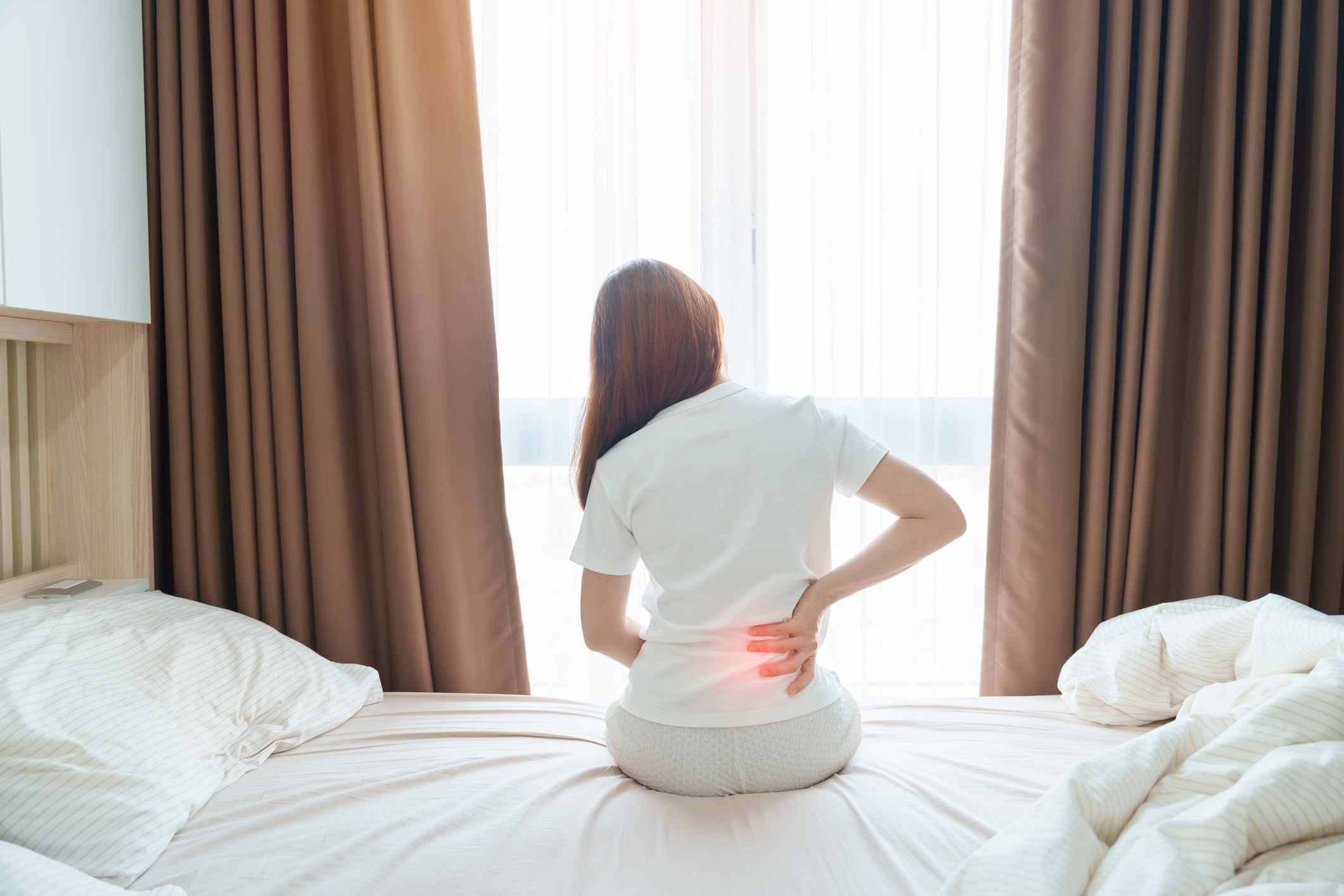
Diagnosing & Treating Piriformis Syndrome: Butt muscle compresses sciatic nerve, causing pain & numbness. Diagnosis via clinical exam & history review; MRI/CT to rule out other issues. Treat with rest, stretching, therapy, meds, or surgery. Prevent with exercise, good posture, avoiding prolonged sitting. Relief is possible with proper care.
PATIENT EXPERIENCES
Hear From Our Patients
VISIT US
Our Locations



GET STARTED
Schedule Your Visit
with Dr. Brett Shore
Hip pain can limit your activity and affect your daily life. Dr. Shore can help you understand your options and start recovery.