A Personalized Approach to Hip Labral Tears
A hip labral tear can cause pain, catching, clicking, or a feeling of instability within the joint. In many cases, the tear is related to an underlying structural condition such as femoroacetabular impingement (FAI) or hip dysplasia.
Dr. Brett Shore evaluates both the labrum and the mechanics of the hip to determine what is causing symptoms and whether conservative care or arthroscopic treatment may be appropriate.
What Happens During Your
Hip Labral Tear Consultation?
Hip pain can feel confusing. You’re not sure what’s wrong or who to trust. Dr. Shore’s consultations are meant to bring clarity.

We Hear You Out

We Look at Your Imaging Together
Dr. Shore will review your X-rays or MRI on screen with you. He’ll show you where the labrum is torn, whether bone abnormalities are involved, and how that connects to what you’re feeling.

We Talk Through Your Options
Surgery isn’t always the answer. If physical therapy or injections help, we’ll start there. If hip dysplasia is present, Dr. Shore explains when open correction is necessary to restore stability.

We Outline What Happens Next
You’ll leave knowing when you can expect to ditch the crutches, get back behind the wheel, and return to your routine.
Why Hip Labral Tears Rarely Heal Without Treatment
Your labrum is a ring of cartilage that seals the hip socket. It works like a gasket, keeping the ball of your thighbone stable and cushioned.
When the labrum tears, that seal breaks. The joint becomes less stable, and the cartilage beneath it wears down faster.
The labrum has a limited blood supply, so self-healing is unlikely.
Arthroscopic labral repair restores the seal and joint mechanics. If impingement caused the tear, bone correction is performed concurrently.
When arthritis advances beyond preservation, Dr. Shore also offers total hip replacement using an anterior bikini incision.
This incision follows natural skin lines and supports improved healing with a less visible scar.
Conditions That Often Lead
to Hip Labral Tears
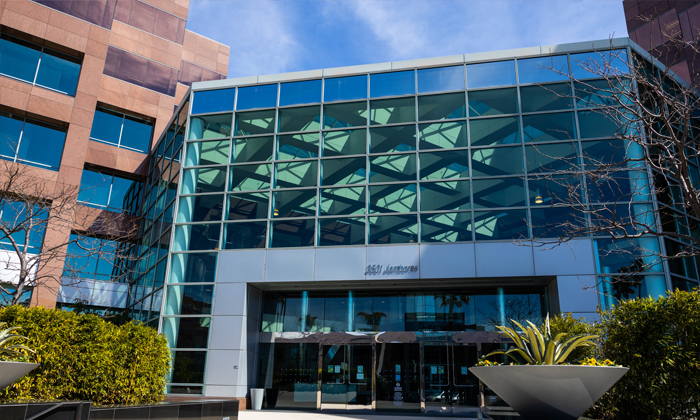
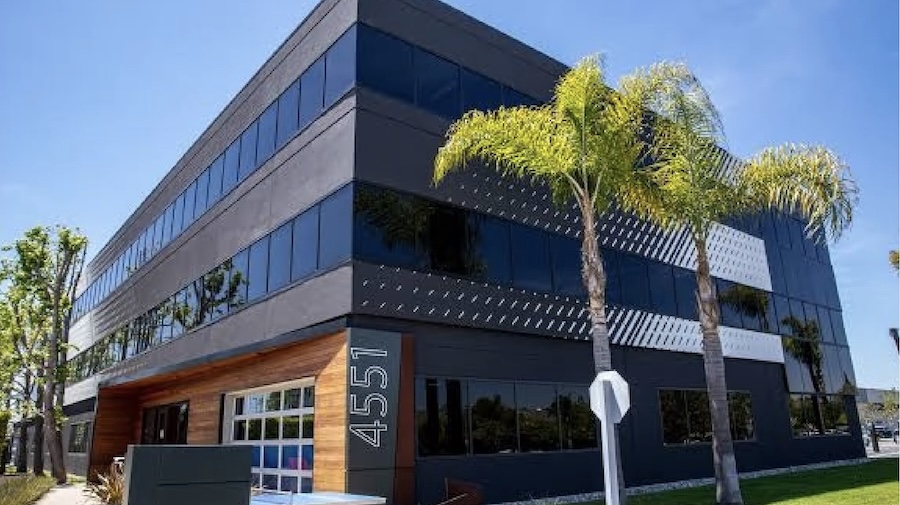
Dr. Shore evaluates patients with labral damage at his orthopedic clinics in Newport Beach and Marina del Rey.

Treatment Options for Hip Labral Tears
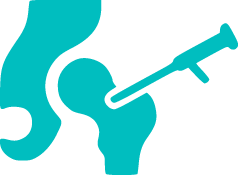
Arthroscopic Labral Repair
Dr. Shore uses tiny incisions and a camera to view the joint, repair the torn labrum, and address bone abnormalities. Most patients go home the same day.
Labral Reconstruction
When the labrum is too damaged to repair, Dr. Shore rebuilds it using graft tissue to restore the seal and help preserve joint function.

FAI Correction
Bone spurs or structural issues are often corrected during the same procedure. This removes the source of impingement and lowers the risk of re-tear.

Non-Surgical Management
Physical therapy, activity modification, and injection therapy can reduce symptoms when surgery isn’t yet needed.
Total Hip Replacement
In advanced cases, joint damage may limit preservation options. Dr. Shore performs total hip replacement through an anterior approach using a bikini incision.

HIP PRESERVATION EXPERTISE
Specialized Experience
in Hip Labral Repair
Dr. Brett Shore is a board-certified orthopedic surgeon specializing in comprehensive hip care, with advanced experience in hip preservation and minimally invasive arthroscopic surgery.
His approach to labral tears goes beyond treating the damaged tissue alone. Dr. Shore evaluates the underlying anatomy, cartilage health, joint stability, and associated conditions that may have contributed to the tear.
When surgery is appropriate, the goal is to repair the labrum, address the underlying cause of damage, and preserve the natural hip whenever possible.
Why Patients Choose Dr. Shore for
LA County Hip Labral Tear Repair

Subspecialty Training
in Hip Preservation
- Performs labral repair, reconstruction, FAI correction, and revision procedures
- Provides open correction for hip dysplasia and surgical replacement when needed
- Anterior hip replacement performed by Dr. Shore using a bikini incision, uncommon in LA and Orange County

Thorough Diagnostic
Review
- In-depth review of MRI and X-ray findings
- Discussion of what imaging reveals and how it connects to your symptoms
- Treatment decisions based on exam findings, not assumptions

Honest Communication
-
Explains findings in plain language
- Discusses risks, benefits, and alternatives openly
- Answers questions without rushing

Three Convenient Locations
- Newport Beach, Marina del Rey (inside DISC Sports & Spine Center), and Santa Monica
- Easy access for patients in Orange County and Los Angeles County

Positive Patient Feedback
-
5 stars from 30+ reviews on public platforms
- Frequent praise for communication and follow-through
- Referrals from returning patients and local providers
INSIGHTS & EDUCATION
Articles from Dr. Shore

Hip Instability
Hip Instability: Unstable hip joint causes pain, clicking, and possible dislocation. Traumatic or atraumatic, from sports injuries to congenital issues. Diagnose with history, exam, and imaging. Treat with therapy or surgery like hip arthroscopy. Comprehensive care for improved mobility and quality of life.

Greater Trochanteric Pain Syndrome (GTPS)
Greater Trochanteric Pain Syndrome (GTPS): Hip pain at the femur's outer edge due to gluteal tendon degeneration. Common in women aged 40-60, worsened by weight-bearing. Diagnosis via symptoms, physical exam, and imaging. Treat with rest, NSAIDs, therapy, or injections. Surgery if conservative methods fail. Prevention through exercise and weight management.
Piriformis Syndrome
Diagnosing & Treating Piriformis Syndrome: Butt muscle compresses sciatic nerve, causing pain & numbness. Diagnosis via clinical exam & history review; MRI/CT to rule out other issues. Treat with rest, stretching, therapy, meds, or surgery. Prevent with exercise, good posture, avoiding prolonged sitting. Relief is possible with proper care.
PATIENT EXPERIENCES
Hear From Our Patients
VISIT US
Our Locations

GET STARTED
Schedule Your Visit
with Dr. Brett Shore
Hip pain can limit your activity and affect your daily life. Dr. Shore can help you understand your options and start recovery.