

Precise Hip Care
Through Small Incisions
Hip arthroscopy is a minimally invasive procedure that allows the surgeon to view and repair the hip joint without large cuts.
A small camera called an arthroscope and fine surgical tools are inserted through small incisions. This method limits tissue disruption and speeds up recovery.
Dr. Shore uses this approach to:
- Repair labral tears
- Correct femoroacetabular impingement (FAI)
- Remove bone spurs and loose cartilage
- Improve flexibility and motion
- Reduce inflammation and stiffness
Most patients go home the same day after surgery and start moving with guided support.

When to Consider Hip Arthroscopy
You may benefit from this procedure if:

You haven’t improved with physical therapy

You haven't improved with injections

Imaging shows a labral tear or bone impingement

You want a solution that preserves your natural hip joint
Each evaluation includes a physical exam, imaging, and a full discussion of both non-surgical and surgical options.

What Happens During
the Procedure?
You will meet with Dr. Shore to review your imaging and treatment plan. He explains what causes your pain and the exact steps to relieve it.
During Surgery
The surgeon will make two or three small incisions around the hip. He will insert the arthroscope to view the joint and use surgical tools to repair or reshape the bone and cartilage.
The procedure usually takes one to two hours under general anesthesia or regional anesthesia.
After Surgery
Most patients go home the same day. You may need a crutch for one to two weeks to protect the hip. A physical therapy plan begins soon after to rebuild strength and mobility.
Many patients resume light activities within three to six months, depending on the procedure.
How FAI Causes Hip
Pain and Stiffness
Femoroacetabular impingement, or FAI, occurs when the thighbone and hip socket rub against each other abnormally.
This contact can cause pain, stiffness, or cartilage damage. Without treatment, it can lead to early hip arthritis.
Typical symptoms include:
- Groin or outer hip pain that worsens with movement
- Clicking or catching in the joint
- Limited range of motion
- Discomfort after sitting for long periods
When other treatments stop helping, arthroscopic surgery can relieve pressure. It can also reshape the bone and repair the labrum for smoother motion.

Why Many Patients Prefer Hip Arthroscopy
Hip arthroscopy offers several advantages over traditional hip surgery:

Smaller incisions and less trauma to the surrounding tissue

Shorter recovery time

Lower risk of infection or dislocation

Reduced pain and inflammation

Faster return to sports or daily activity
COMPREHENSIVE HIP EXPERTISE
Specialized Expertise in
Hip Arthroscopy
Dr. Brett Shore is a board-certified orthopedic surgeon with advanced training and extensive experience in hip preservation and minimally invasive arthroscopic surgery.
His expertise includes the treatment of femoroacetabular impingement, labral tears, cartilage injuries, hip instability, and complex or revision hip conditions.
Dr. Shore evaluates each patient’s anatomy, symptoms, imaging, activity level, and long-term goals before recommending treatment. When surgery is appropriate, the goal is to correct the underlying problem while preserving as much of the natural hip as possible.
Distinguished Training in Orthopedic and Hip Surgery

Undergraduate Degree

Medical Degree

Orthopedic Residency

Sports Medicine Fellowship
INSIGHTS & EDUCATION
Articles from Dr. Shore

Hip Instability
Hip Instability: Unstable hip joint causes pain, clicking, and possible dislocation. Traumatic or atraumatic, from sports injuries to congenital issues. Diagnose with history, exam, and imaging. Treat with therapy or surgery like hip arthroscopy. Comprehensive care for improved mobility and quality of life.

Greater Trochanteric Pain Syndrome (GTPS)
Greater Trochanteric Pain Syndrome (GTPS): Hip pain at the femur's outer edge due to gluteal tendon degeneration. Common in women aged 40-60, worsened by weight-bearing. Diagnosis via symptoms, physical exam, and imaging. Treat with rest, NSAIDs, therapy, or injections. Surgery if conservative methods fail. Prevention through exercise and weight management.
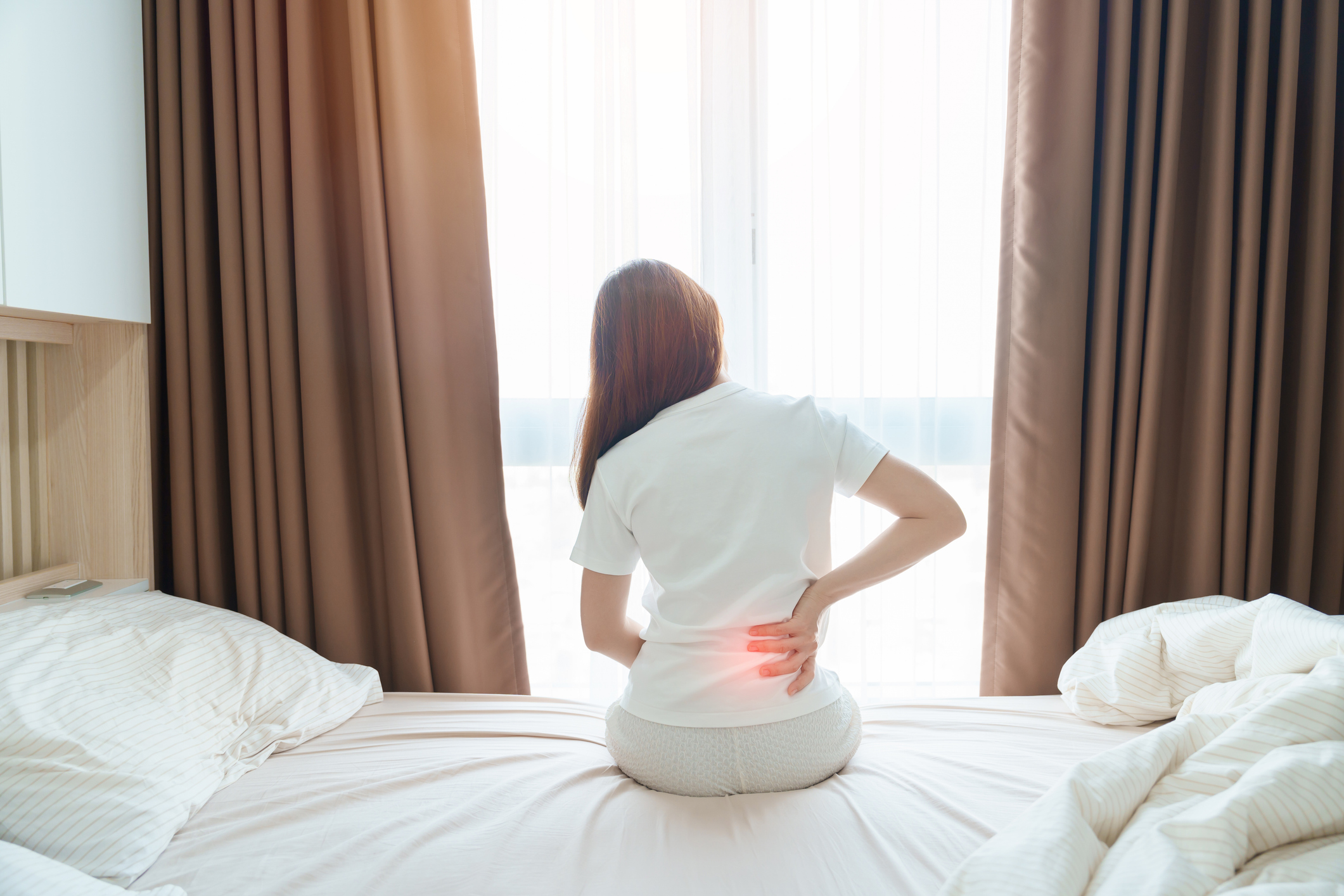
Piriformis Syndrome
Diagnosing & Treating Piriformis Syndrome: Butt muscle compresses sciatic nerve, causing pain & numbness. Diagnosis via clinical exam & history review; MRI/CT to rule out other issues. Treat with rest, stretching, therapy, meds, or surgery. Prevent with exercise, good posture, avoiding prolonged sitting. Relief is possible with proper care.
PATIENT EXPERIENCES
Hear From Our Patients
VISIT US
Our Locations



GET STARTED
Schedule Your Visit
with Dr. Brett Shore
Hip pain can limit your activity and affect your daily life. Dr. Shore can help you understand your options and start recovery.