A Personalized Approach to Piriformis Syndrome
Numbness, tingling, or a nagging ache deep in the buttocks often points to piriformis syndrome. The sciatic nerve gets squeezed by the piriformis muscle, and pain radiates down the leg.
Dr. Brett Shore provides treatment for patients with piriformis syndrome throughout Orange County and Los Angeles.

What Is Piriformis Syndrome?
The piriformis is a small muscle deep behind your hip. The sciatic nerve, the longest nerve in the body, runs right under it. In some people, the nerve passes straight through the muscle.
When the muscle tightens or swells, it presses on the nerve. You’ll often feel buttock pain, along with tingling, numbness, or a burning feeling down the leg.
The condition is common in runners, cyclists, desk workers, and recreational athletes throughout Orange County and Los Angeles.
When to Seek Treatment for Piriformis Syndrome
Every consultation starts with a hands-on exam, reviews your imaging, and opens a full conversation about treatment options. If you feel these symptoms, consult with a doctor right away:

Buttock pain that has lasted more than a few weeks

Pain, tingling, or numbness running down the back of your leg

Long drives or desk hours worsen the discomfort

Stairs, hills, or running that aggravate the ache

A dull buttock ache that returns after every workout

Back or hip treatments that haven’t calmed the symptoms
How Dr. Shore Treats
Piriformis Syndrome
Every case requires a different treatment plan. Dr. Shore lays out your options once the exam and scan results are out.

What Causes Piriformis Syndrome?
Piriformis syndrome isn’t limited to athletes. Commuters, golfers, and active adults in Los Angeles and Orange County often deal with it too. Several factors may irritate or tighten the piriformis muscle:

A fall or direct blow to the hip

Long hours at a desk or behind the wheel

Heavy running or cycling without enough cross-training

Skipped stretching that leaves the hip tight

Weak glutes that leave the piriformis overworked

A leg-length difference that changes hip mechanics

COMPREHENSIVE HIP EXPERTISE
A Careful Approach to Buttock and
Sciatic-Type Pain
Dr. Brett Shore is a board-certified orthopedic surgeon specializing in comprehensive hip care and conditions affecting the muscles, tendons, and nerves surrounding the hip.
Because symptoms of piriformis syndrome can resemble other hip or spine conditions, accurate diagnosis is an important part of treatment. Dr. Shore evaluates each patient’s symptoms, movement, imaging, and clinical findings to identify the most likely source of pain before recommending care.
Treatment is individualized around the diagnosis, activity level, lifestyle, and long-term goals.
Distinguished Training in Orthopedic and Hip Surgery

Undergraduate Degree

Medical Degree
Orthopedic Residency

Sports Medicine Fellowship
INSIGHTS & EDUCATION
Articles from Dr. Shore

Getting Back to Life After Hip Replacement
For many patients considering hip replacement, the goal extends well beyond walking comfortably or completing everyday activities without pain. They want to return to the pursuits that are an important part of how they [...]
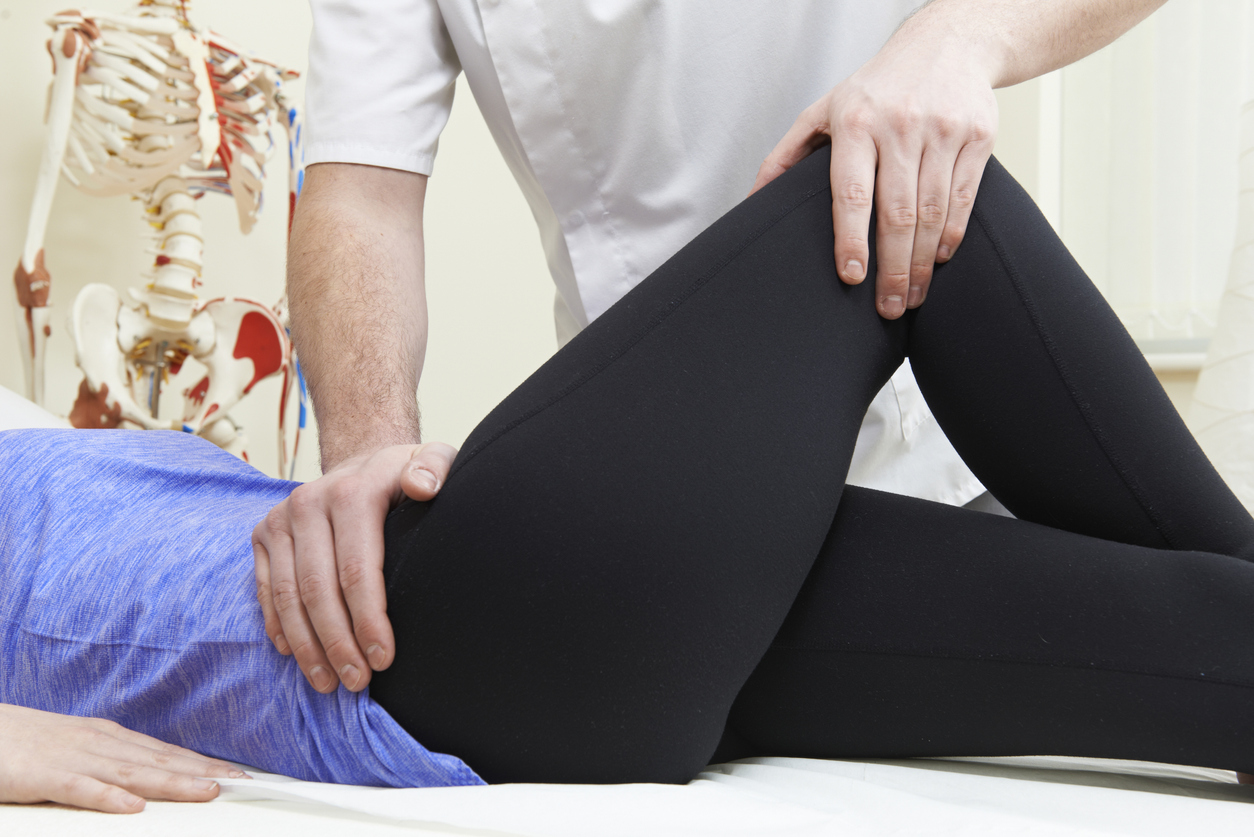
Hip Labral Tears
Hip Labral Tears: A Comprehensive Guide to Symptoms, Causes, and Treatments Understanding Hip Labral Tears Hip labral tears are a common yet complex condition affecting the hip joint, often leading to persistent pain and [...]
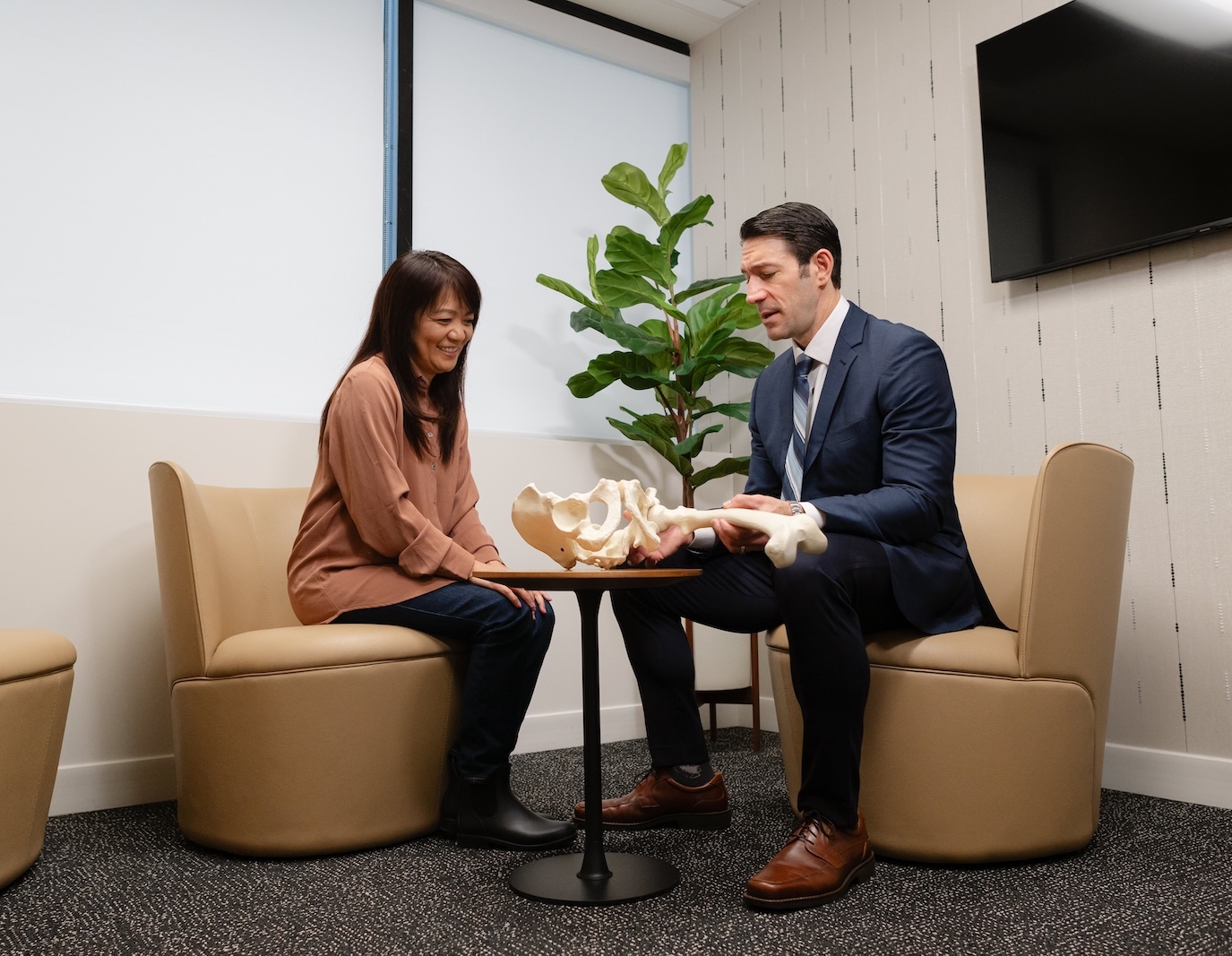
Seeking a Second Opinion
When facing complex sports injuries or considering major surgeries like joint replacement or arthroscopic surgery, seeking a second opinion can be crucial. Learn the benefits and steps involved in obtaining a second opinion to ensure the best care for your orthopedic needs. Discover why it matters.
PATIENT EXPERIENCES
Hear From Our Patients
VISIT US
Our Locations



GET STARTED
Schedule Your Visit
with Dr. Brett Shore
Hip pain can limit your activity and affect your daily life. Dr. Shore can help you understand your options and start recovery.