

Specialized Care for Hamstring Tendon Injuries
Hamstring tendon injuries can range from mild strains to partial or complete tears where the tendon pulls away from the pelvis.
Dr. Brett Shore evaluates the severity of the injury, degree of tendon retraction, strength loss, activity level, and long-term goals to determine whether conservative treatment or surgical repair may be appropriate.
For significant tears, early evaluation can be especially important in determining the best treatment path.

What Is a Hamstring Tendon Tear?
Three muscles make up the hamstrings, and they all run along the back of your thigh.
Thick tendons anchor those muscles to your pelvis at a spot called the sit bone.
A hamstring tendon tear means one or more of those tendons has pulled away from the bone, either partially or all the way.
This injury is common among sprinters, dancers, soccer players, and recreational athletes in Los Angeles and Orange County.
When to Seek Treatment for a Hamstring Tendon Tear
You may benefit from an evaluation when:

You felt a sudden pop or snap behind your thigh during activity

Pain behind the thigh or lower buttock hasn’t improved after several weeks

Sitting, driving, or bending forward triggers sharp discomfort

Bruising appeared behind the thigh or below the knee after injury

You’ve lost strength when pushing off, climbing, or running

A previous hamstring injury keeps flaring up
Each evaluation includes a physical exam, imaging review, and a full discussion of treatment options.
How Dr. Shore Treats
Hamstring Tendon Tears
Treatment depends on the type and severity of the tear, your symptoms, and your activity goals.
Dr. Shore reviews your imaging and exam findings, then walks you through each option.

What Causes a Hamstring Tendon Tear?
Several factors can strain or weaken the hamstring tendons:

A direct hit or awkward fall during sports

Tight hamstring muscles from a lack of regular stretching

Muscle imbalance between the quadriceps and hamstrings

Fatigue during training, which reduces the tendon’s ability to absorb force

Incomplete recovery from a prior hamstring strain
Hamstring tears aren’t limited to the track or the field. Active adults experience them during hiking, cycling, and everyday movements, too.

HIP + SPORTS MEDICINE EXPERTISE
Specialized Care for
Hamstring Tendon Injuries
Dr. Brett Shore is a board-certified orthopedic surgeon with advanced training in sports medicine and comprehensive hip care.
His experience treating injuries around the hip includes proximal hamstring tendon tears, gluteal tendon injuries, and other soft tissue conditions that can affect strength, mobility, and athletic performance.
Dr. Shore evaluates each injury based on tendon involvement, strength loss, imaging findings, activity demands, and long-term goals to determine whether conservative treatment or surgical repair is appropriate.
How Early Diagnosis Can Preserve Your Hamstring
When a hamstring tendon tear is identified before the tendon fully retracts and scars down, treatment can:
- Relieve posterior thigh and sit-bone pain
- Prevent further tendon retraction and scar tissue formation
- Restore normal hamstring strength and range of motion
- Reduce the risk of chronic weakness and repeated injury
- Shorten overall recovery time
When the tear has already progressed or become chronic, surgical repair can still reattach the tendon and help you regain function.
INSIGHTS & EDUCATION
Articles from Dr. Shore

Getting Back to Life After Hip Replacement
For many patients considering hip replacement, the goal extends well beyond walking comfortably or completing everyday activities without pain. They want to return to the pursuits that are an important part of how they [...]
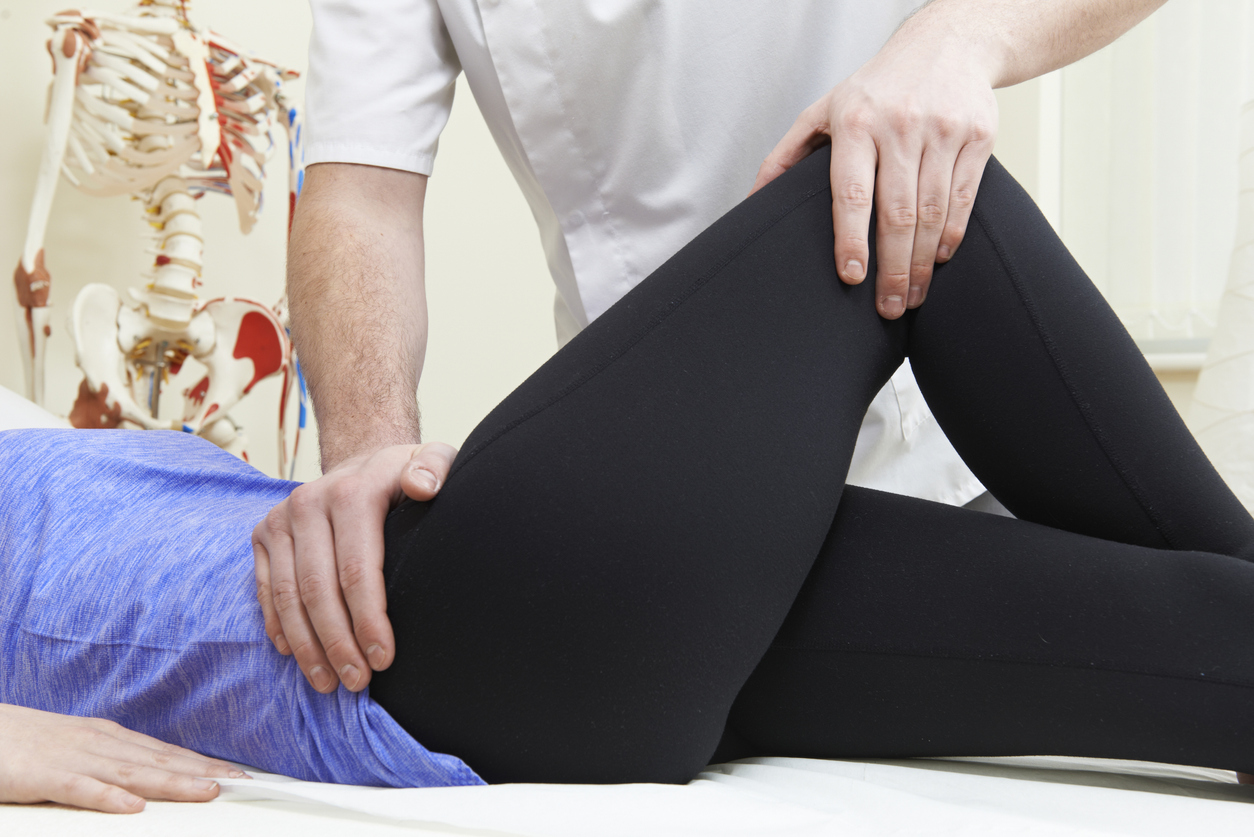
Hip Labral Tears
Hip Labral Tears: A Comprehensive Guide to Symptoms, Causes, and Treatments Understanding Hip Labral Tears Hip labral tears are a common yet complex condition affecting the hip joint, often leading to persistent pain and [...]
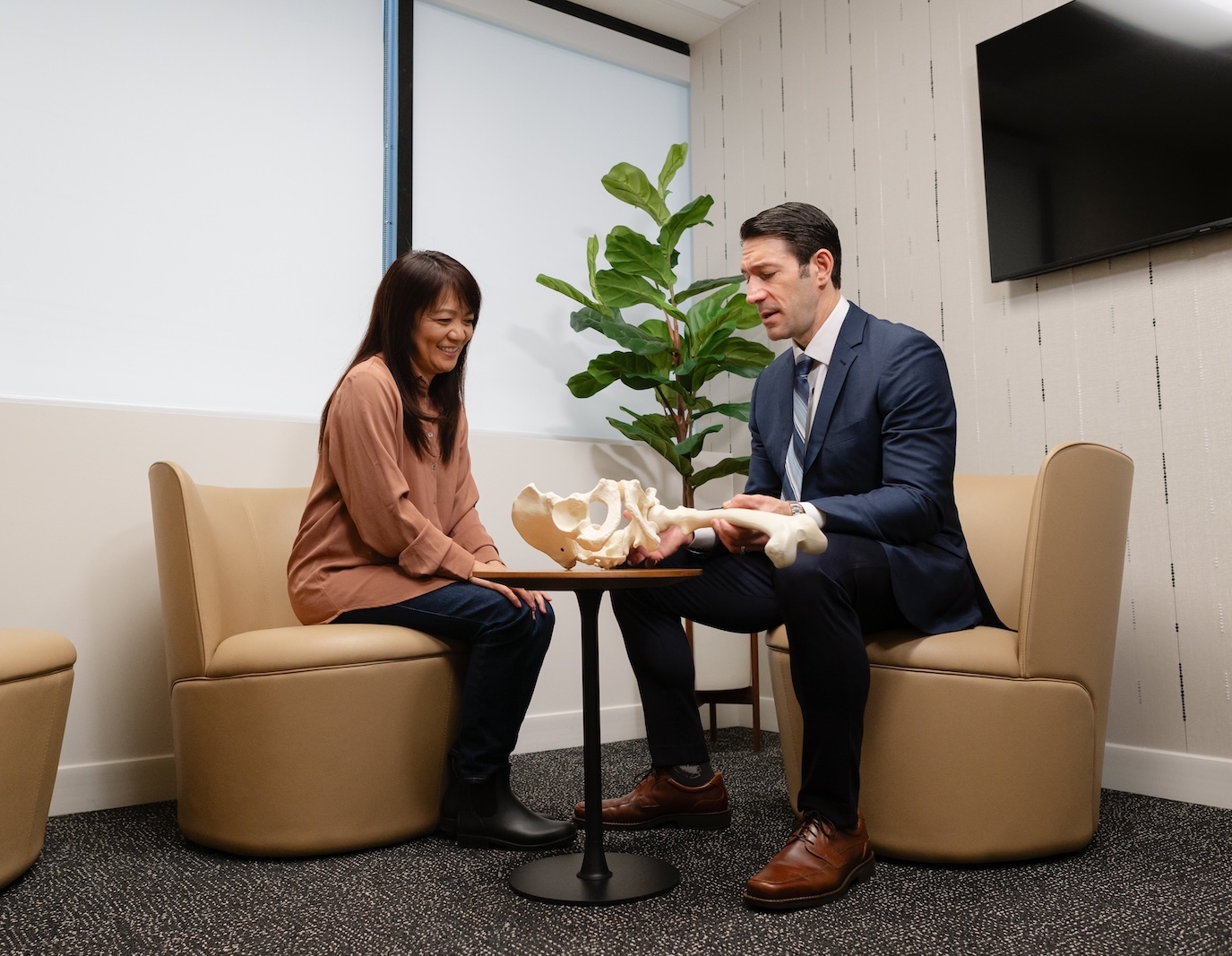
Seeking a Second Opinion
When facing complex sports injuries or considering major surgeries like joint replacement or arthroscopic surgery, seeking a second opinion can be crucial. Learn the benefits and steps involved in obtaining a second opinion to ensure the best care for your orthopedic needs. Discover why it matters.
PATIENT EXPERIENCES
Hear From Our Patients
VISIT US
Our Locations



GET STARTED
Schedule Your Visit
with Dr. Brett Shore
Hip pain can limit your activity and affect your daily life. Dr. Shore can help you understand your options and start recovery.